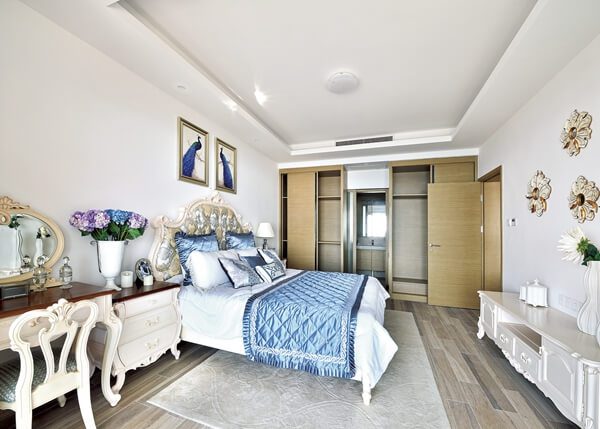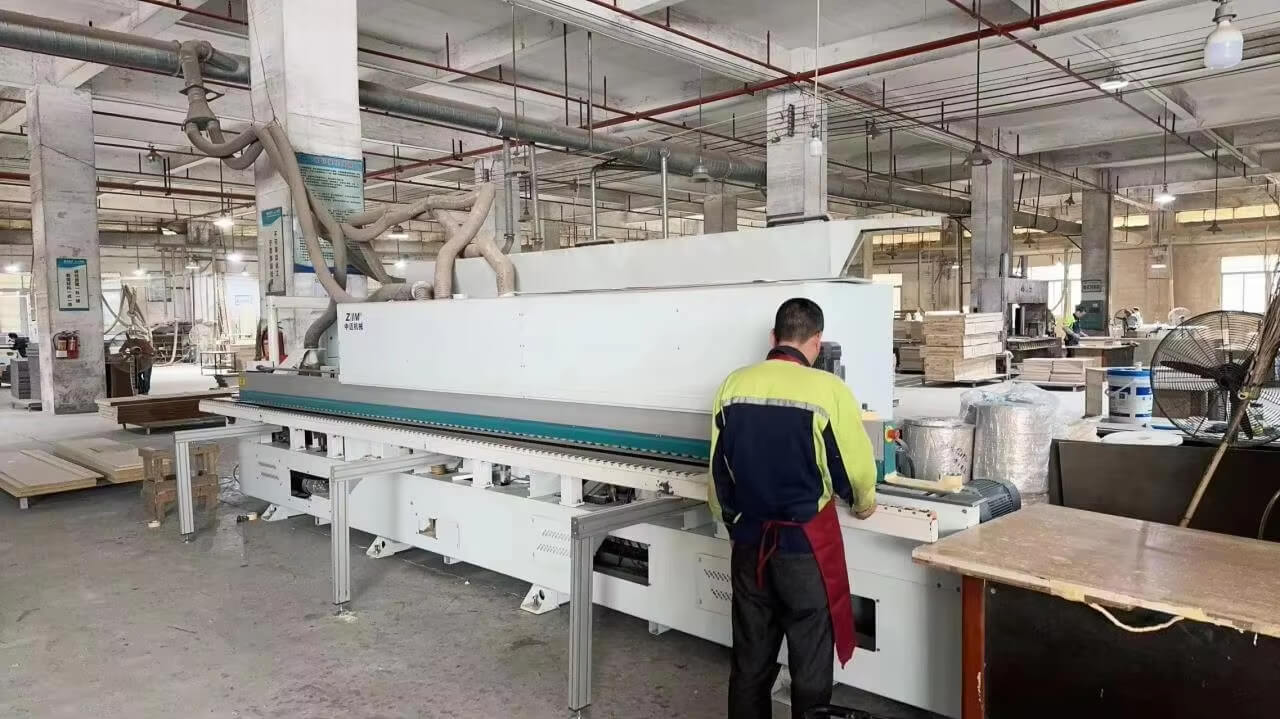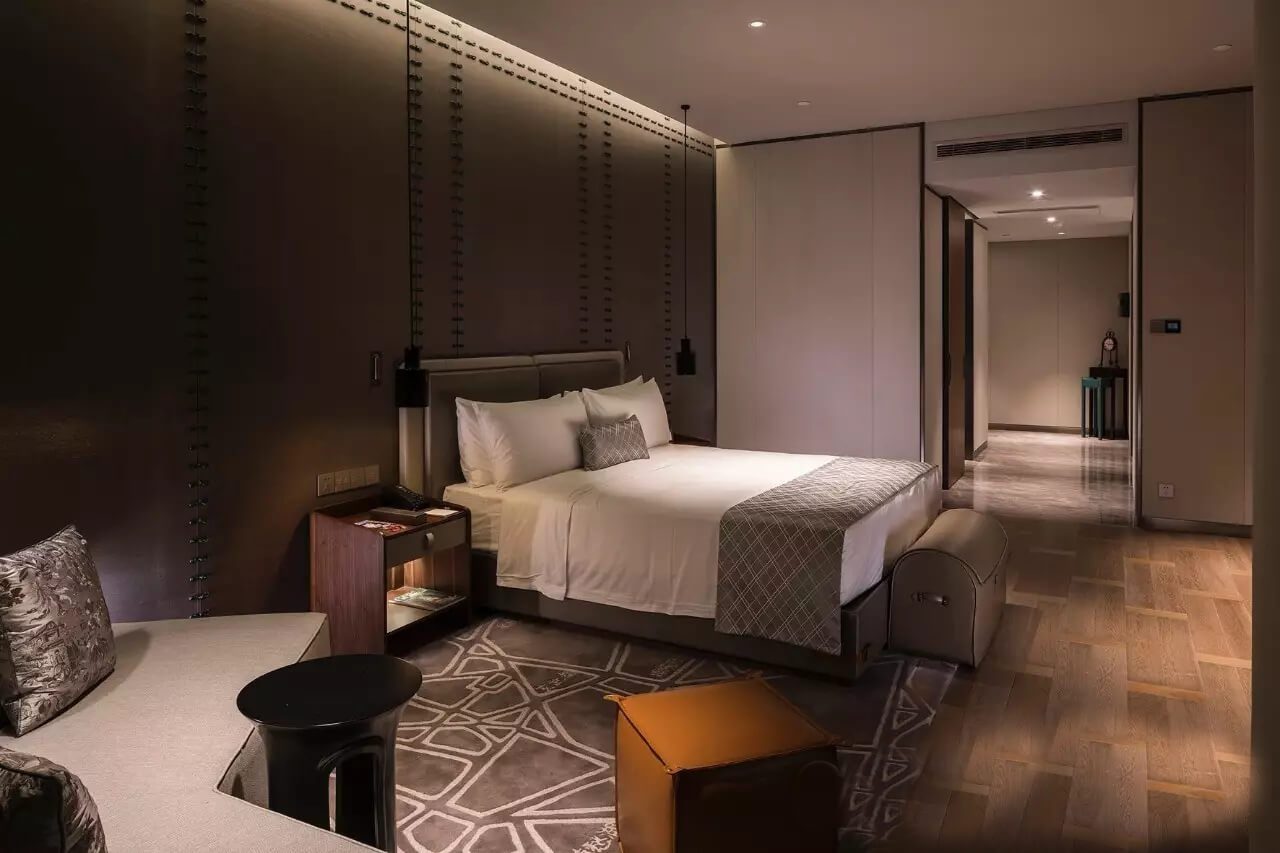

Serviced apartment furniture needs to support a different lifestyle from standard hotel furniture. Guests stay…
Commercial Sofas for Hotels: The Ultimate Procurement Guide for FF&E Managers
A residential sofa might look aesthetically pleasing in a residential living room, but place it in a high-traffic hotel lobby, and its structural integrity will likely fail within six months. Commercial sofas for hotels are engineered entirely differently from the inside out.
If you are an interior designer, hotel owner, or a procurement manager handling FF&E (Furniture, Fixtures, and Equipment), specifying the right materials upfront saves you from costly replacement cycles, maintenance headaches, and negative guest reviews.
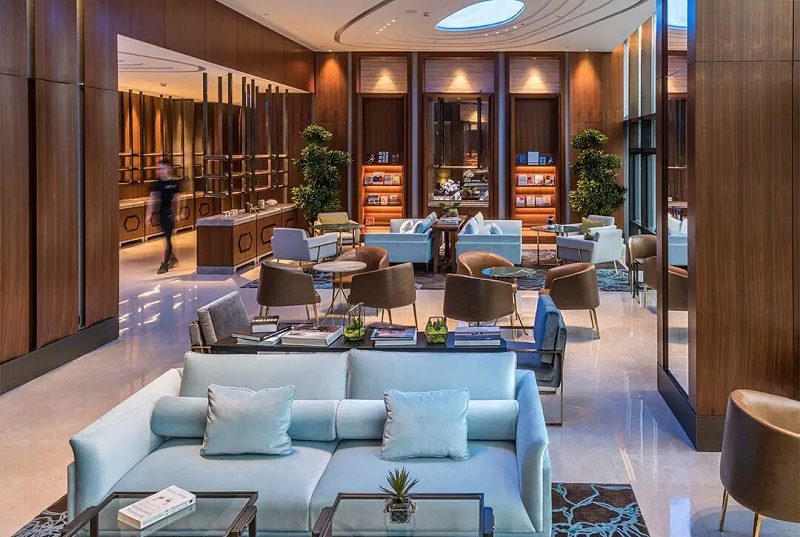
1. The Core Differences in Frame Construction
Hospitality seating takes a massive beating. Guests drop heavy luggage on them, children use them as trampolines, and they must endure 24/7 continuous use.
For reliable commercial sofas for hotels, the frame must be constructed from kiln-dried hardwood, such as oak, ash, or beech. The moisture content must be tightly controlled around 8% to 12% to prevent the wood from warping or cracking in different climates.
Furthermore, the joinery is critical. Residential furniture often uses staples and basic glue. Commercial-grade seating requires mortise and tenon joinery or double-doweled joints, reinforced with corner blocks that are glued and screwed into place. This ensures the frame will not wobble even after years of heavy use.
2. Suspension Systems: Sinuous Springs vs. Webbing
The suspension system dictates both comfort and lifespan. In B2B hospitality manufacturing, we primarily use two methods:
Sinuous Springs (No-Sag Springs): Heavy-gauge steel wires formed in continuous S-shapes. These are standard for high-quality commercial sofas for hotels because they offer firm support and rarely break.
Pirelli Webbing: High-tension elastic webbing used heavily in modern, low-profile sofa designs where thick springs cannot fit.
3. High-Density Foam and Stringent Fire Regulations
Comfort is subjective, but resilience is an objective metric. We recommend using high-resiliency (HR) foam with a density of at least 2.5 lbs/cubic foot (approx. 40 kg/m³) for seat cushions to prevent premature sagging.
More importantly, commercial sofas for hotels must comply with strict commercial fire and life safety codes. Depending on your hotel’s location, this usually means the foam and fabric must pass the California TB117-2013 standard or the stringent UK Crib 5 fire regulations. Always ask your custom furniture manufacturer to provide the SGS or equivalent foam fire-retardant certification before approving the raw materials.
4. Upholstery: The Wyzenbeek Double Rub Test
When selecting fabrics for your hotel lobby or guestrooms, the aesthetic appeal must be balanced with durability. The industry standard for measuring fabric durability is the Wyzenbeek test.
For a busy hotel lobby, you should aim for a fabric that exceeds 50,000 to 100,000 double rubs. In addition to rub counts, consider specifying “performance fabrics” (like Crypton) that feature built-in stain resistance and moisture barriers. This allows your housekeeping staff to clean spills quickly without leaving permanent watermarks.
Frequently Asked Questions (FAQ)
Q: How long should commercial sofas for hotels last?
A: With proper maintenance and high-quality manufacturing, a commercial sofa should last 7 to 10 years in a hotel guestroom, and 5 to 7 years in high-traffic public areas like lobbies.
Q: Can we use genuine leather for hotel lobby sofas?
A: Yes, but it requires high maintenance. For commercial spaces, high-grade faux leather (polyurethane or vinyl) is often preferred because it is highly durable, easy to clean, and cost-effective.
Need durable, design-forward seating for your public areas? Send us your FF&E spec sheets for fabrication.
Related Posts