
Serviced apartment furniture needs to support a different lifestyle from standard hotel furniture. Guests stay…
Procurement Guide: How To Choose Hotel Furniture For A New Build Project
Learning how to choose hotel furniture for a new build project is the most significant step in preventing budget overruns and construction delays for property developers. When breaking ground on a new property, procurement directors must treat furniture not as loose decor, but as critical infrastructure that must endure high-traffic commercial use from opening day.
For a new build, the FF&E (Furniture, Fixtures, and Equipment) package is often the largest capital expenditure (CAPEX) after the building shell itself. If you get the selection wrong, you face long-term maintenance liabilities, guest complaints, and potential safety code violations.
1. Audit Factory Infrastructure Over Marketing Claims
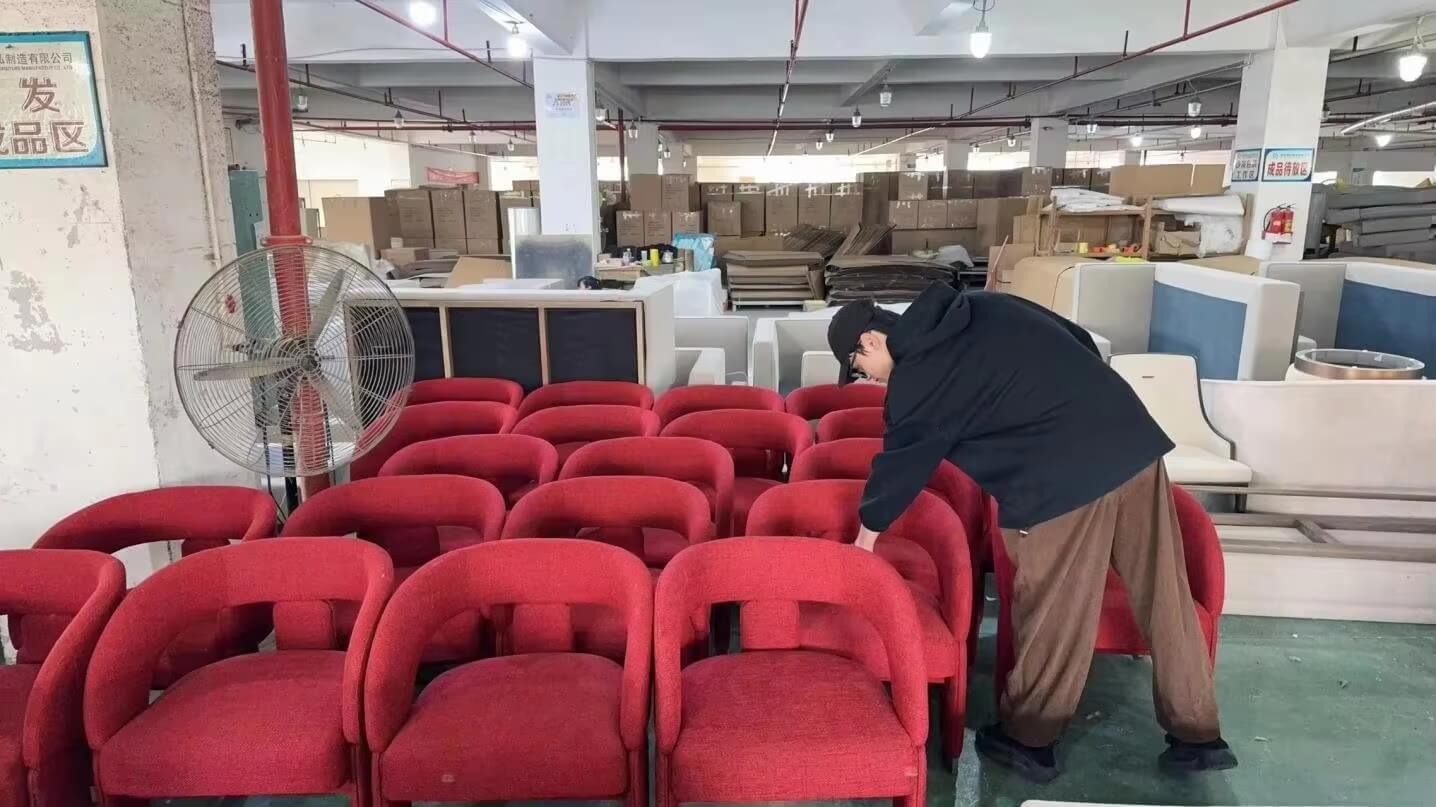
Never trust a website’s “luxury” claims without verifying the actual manufacturing capacity. A new build project requires mass-production consistency, not manual craftsmanship. When evaluating how to choose hotel furniture for a new build project, the first step is to confirm the factory owns the production lines.
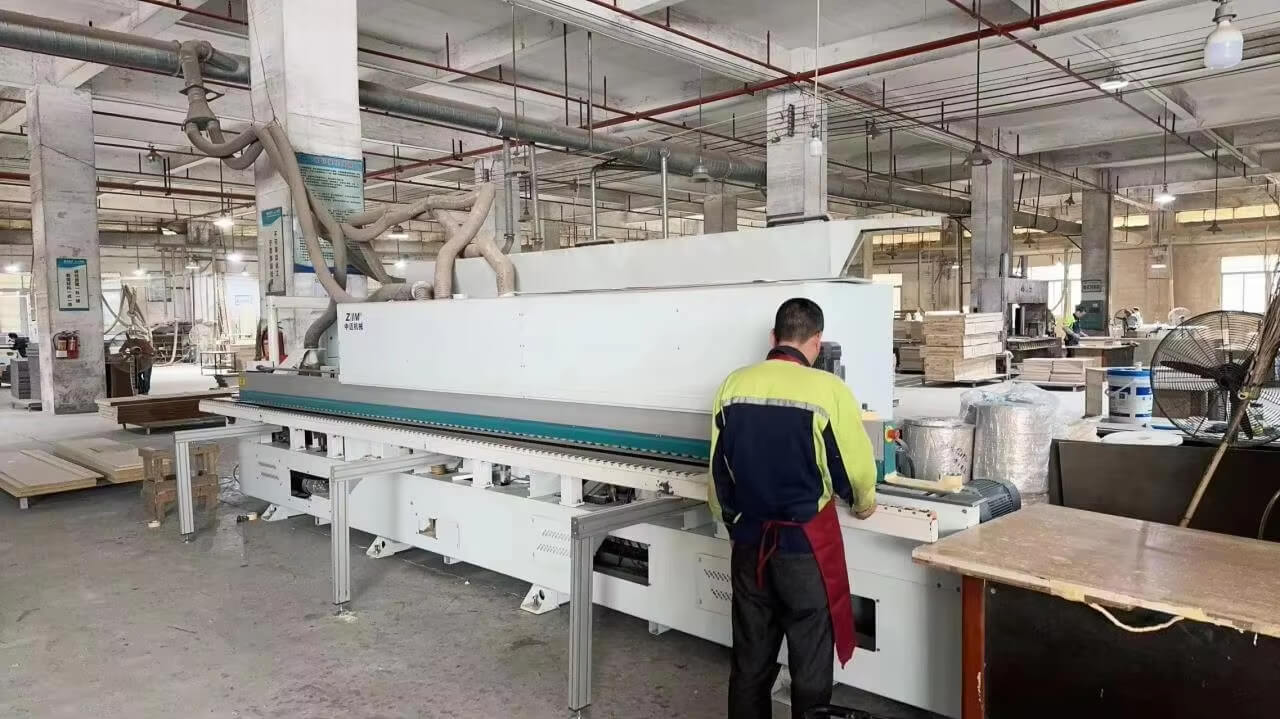
Operations like those at CH utilize a 40,000-square-meter modern facility equipped with high-precision CNC machining centers and automated painting lines. This industrial capability is what ensures the 500th guest room headboard matches the first one perfectly. If the factory cannot provide a live factory tour or detailed evidence of their machinery, they are likely a middleman, which adds unnecessary cost and risk to your supply chain.
2. Verify Material Compliance and Safety Standards
New builds are subject to rigorous fire safety and environmental inspections before the Certificate of Occupancy is issued. You cannot afford to install furniture that uses non-compliant foam or toxic adhesives.
As part of your selection process, demand documentation proving the use of E1-grade plywood and MDF for casegoods. Additionally, verify that all upholstery materials meet local fire retardancy regulations. For engineering teams, you can reference the FIRA international fire safety testing guidelines to ensure your chosen materials meet the required benchmarks. Failing this check is a common reason for project handover delays.
3. Prioritize Shop Drawing and Engineering Precision
A beautiful design concept on paper is useless if it doesn’t account for on-site wall variances and MEP integration. Learning how to choose hotel furniture for a new build project means understanding the value of Shop Drawings.
Professional manufacturers do not just build to your sketch; they engineer the furniture to fit the building. This includes precise routing for electrical outlets, data cables, and wall-anchoring points. With our in-house engineering team and international testing centers, we convert architectural concepts into technical CAD drawings, identifying potential installation conflicts long before the furniture arrives at your site.
4. Evaluate Past Performance with Elite Brands
Finally, don’t be a test case. The best way to vet a manufacturer is to look at their track record with projects of similar scale. Luxury international brands like the Hyatt Regency, Marriott, and Wyndham have extremely strict “snagging” and quality control standards. A manufacturer that has passed these brand-level audits repeatedly is fundamentally more reliable than a vendor with no commercial hospitality background.
FAQ: Addressing Common Procurement Concerns
Q1: What is the biggest mistake when sourcing furniture for a new build?
The biggest mistake is ignoring the lead time for mock-up rooms. Starting mass production without a signed-off mock-up room is a recipe for disaster. Always build in at least 8-12 weeks for production and shipping for a typical 300-room property.
Q2: How do I ensure furniture fits a new construction site?
Ensure your manufacturer produces and signs off on detailed shop drawings for every room type. A quality factory will coordinate these drawings with your on-site general contractor to account for wall offsets and electrical placements before manufacturing begins.
Q3: Are “low-cost” suppliers safe for new build projects?
Generally, no. In a new build, low-cost suppliers often use residential-grade hardware (hinges/slides) that will fail under commercial use within 18 months. Always specify commercial-grade, soft-close hardware to reduce long-term maintenance costs.
Are you ready to specify the FF&E for your new project?
Don’t risk your opening timeline. Get a feasibility review of your project drawings today.
Related Posts