
Hotel wardrobe design affects much more than storage alone. It shapes how guests organize their…
Fixed Hotel Furniture Guide for Modern Hotel Projects
Fixed hotel furniture plays an important role in hospitality interiors. It helps create a cleaner layout, improves space efficiency, and gives guest rooms or public areas a more tailored appearance. For hotel developers, procurement teams, and designers, fixed furniture is often chosen not only for aesthetics but also for function, durability, and long-term operational control.
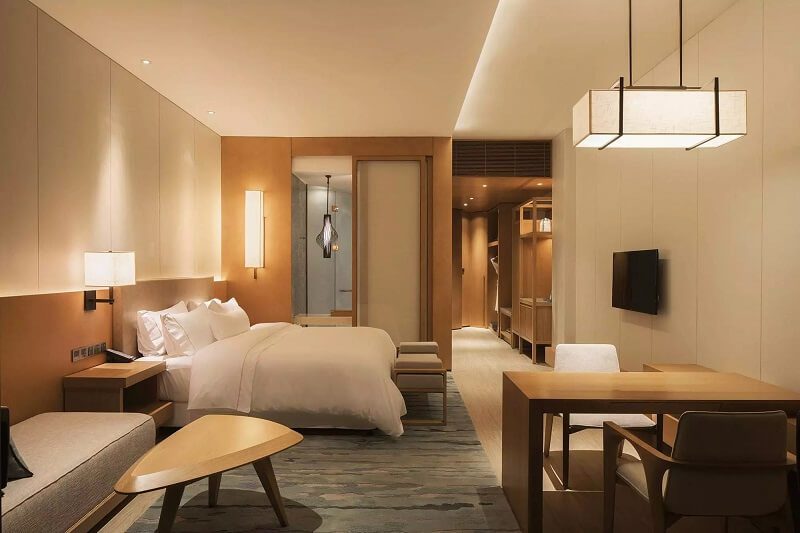
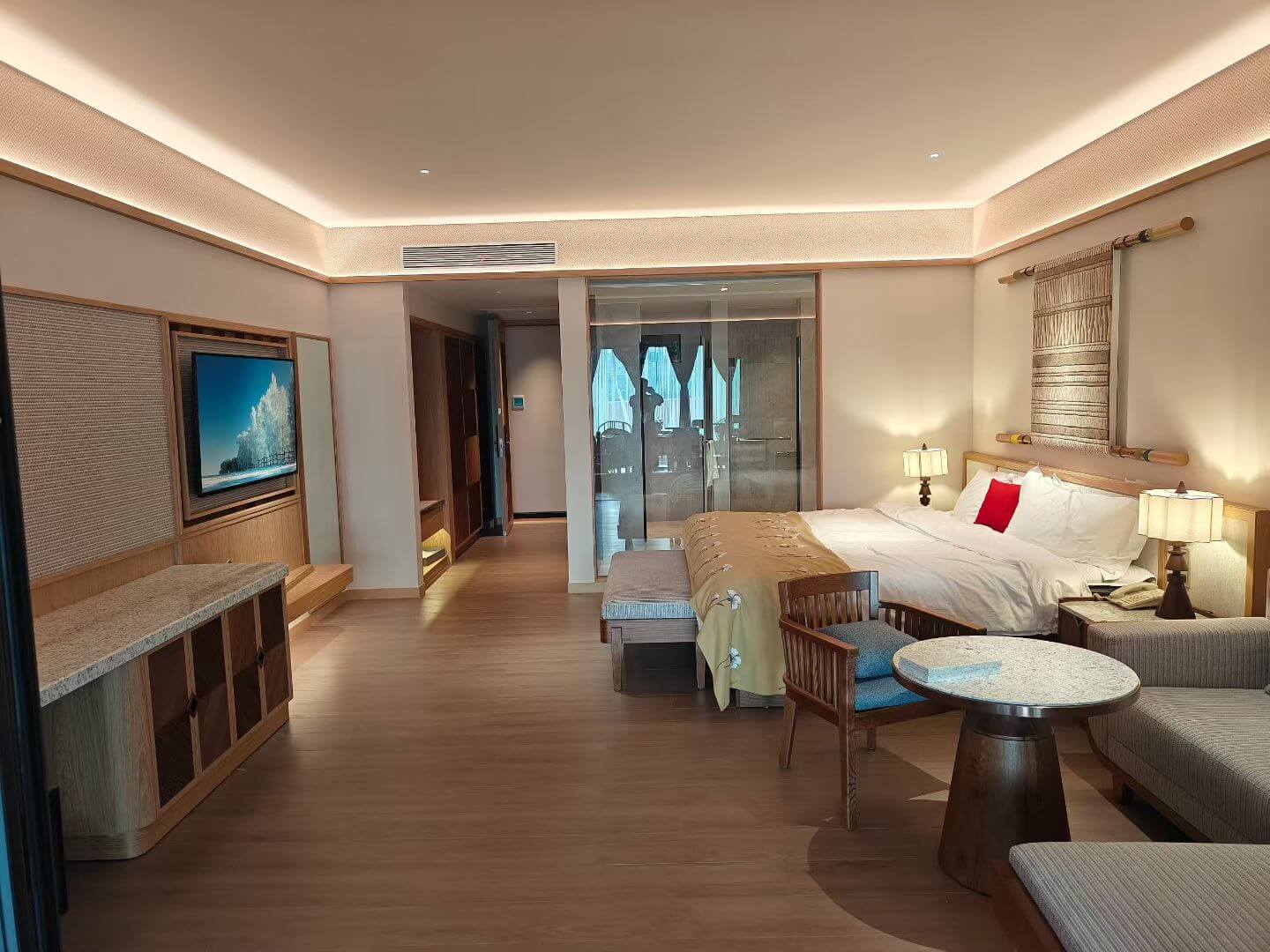
In most projects, fixed hotel furniture includes wardrobes, TV panels, headboards, vanity units, minibars, writing desks, and other built-in casegoods connected to the architecture of the room. Unlike loose furniture, these pieces are developed as part of the overall interior system. That is why early planning is especially important.
Why Fixed Hotel Furniture Is Widely Used
One of the main reasons hotels use fixed hotel furniture is layout efficiency. In compact guest rooms, built-in pieces help save space and improve circulation. A well-designed wardrobe or integrated desk can deliver more function than several separate loose items while keeping the room visually calm.
Fixed hotel furniture also supports stronger design consistency. When wall panels, storage units, lighting features, and millwork details are developed together, the room usually feels more refined and more intentional. This is especially valuable in upscale hotels, resorts, and branded hospitality projects where the interior identity matters.
How Fixed Hotel Furniture Supports Hotel Operations
Fixed hotel furniture is not only a design choice. It can also improve daily hotel operations. Built-in pieces reduce unwanted movement, make the room easier to reset, and help maintain a more consistent appearance from room to room. In high-occupancy hotels, this can make housekeeping and visual maintenance more efficient.
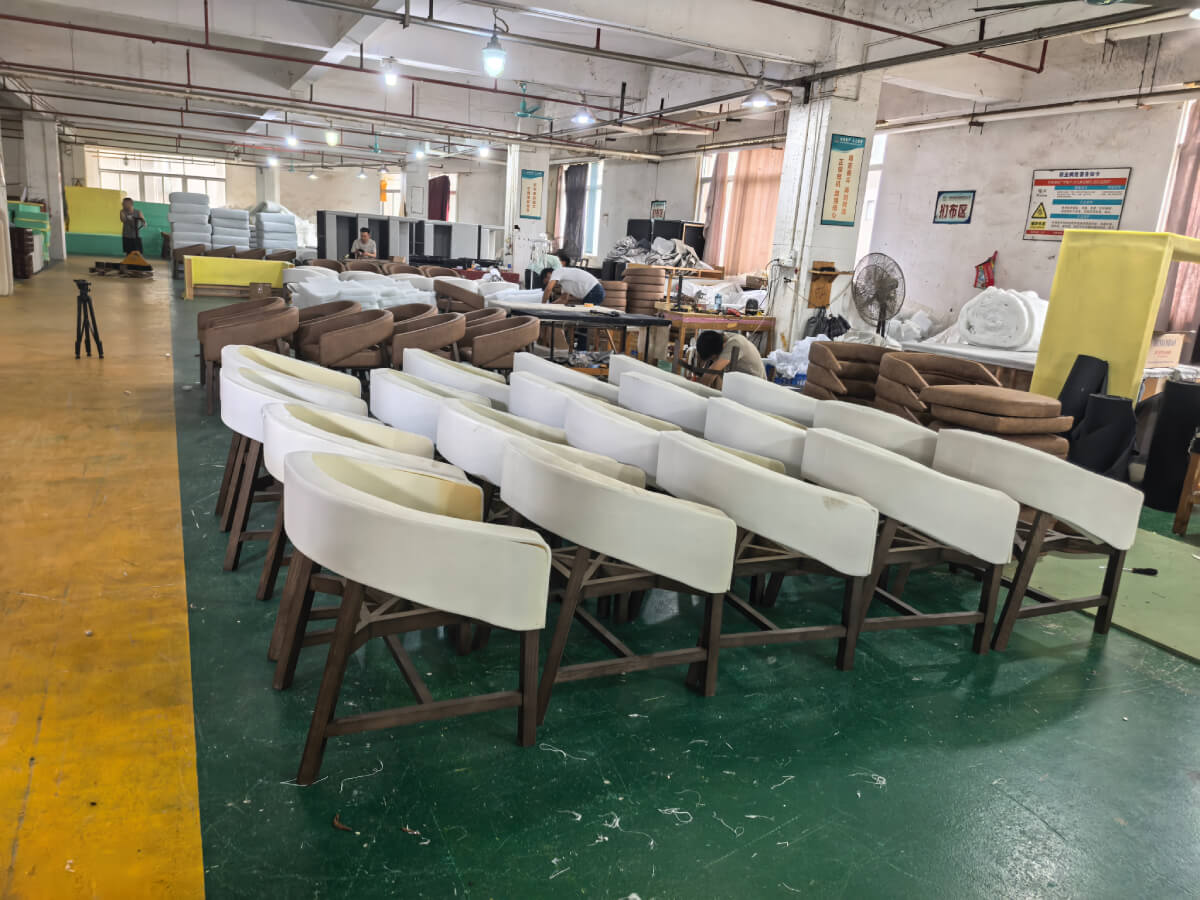
Durability also matters. Because these pieces are made for a specific space and use condition, they can be engineered to handle repeated daily use. Hardware selection, internal construction, edge protection, finish resistance, and installation method all influence long-term performance.
Planning Fixed Hotel Furniture for Renovation and New Build Projects
In new-build hotels, fixed hotel furniture can be coordinated early with architecture, MEP, and interior design. This makes it easier to align dimensions, service points, wall finishes, and installation sequence. The result is usually more controlled and more visually seamless.
In renovation projects, the process is more sensitive. Existing site conditions, uneven walls, floor tolerance, service locations, and access limitations can all affect the final installation. That is why accurate site measurement, clear shop drawings, and realistic production planning are critical. Fixed furniture can still work extremely well in renovation projects, but it needs more technical discipline from the beginning.
Balancing Fixed and Loose Furniture
The best hospitality spaces rarely depend on only one furniture strategy. In many projects, fixed hotel furniture is used for core room functions, while loose furniture is added for flexibility and comfort. A built-in TV wall or wardrobe may define the room, while loose chairs and side tables make the space easier to refresh or replace later.
This balance often gives hotels the strongest long-term result. It protects design continuity while still allowing selective updates in future renovation cycles.
Think Beyond First Installation
Good fixed hotel furniture should support the property well after opening day. Operators care about easy maintenance, replacement planning, stable finishes, and long-term usability. Designers care about clean detailing and a cohesive concept. Procurement teams care about production control, delivery accuracy, and installation efficiency.
When fixed furniture is developed properly, all of these priorities can align. For hotels planning new rooms, suites, or renovation upgrades, reviewing the scope early with a project-focused supplier usually reduces later site issues and approval delays. You can view fixed hotel furniture here. You can also review related hotel projects here. For broader hospitality project insight, see Hospitality Net.
What is built-in hotel furniture?
Built-in hotel furniture refers to items such as wardrobes, headboards, TV panels, vanities, and desks that are designed as part of the interior structure.
Why do hotels use built-in furniture?
Hotels use built-in furniture to improve layout efficiency, create a cleaner visual result, and support more consistent room presentation.
Is built-in furniture better than loose furniture?
It depends on the project. Built-in pieces offer stronger integration and space use, while loose pieces offer more flexibility and easier replacement.
Can hotel built-in furniture be customized?
Yes. Hotel built-in furniture can be customized to suit room size, design language, material preference, and technical site conditions.
Related Posts