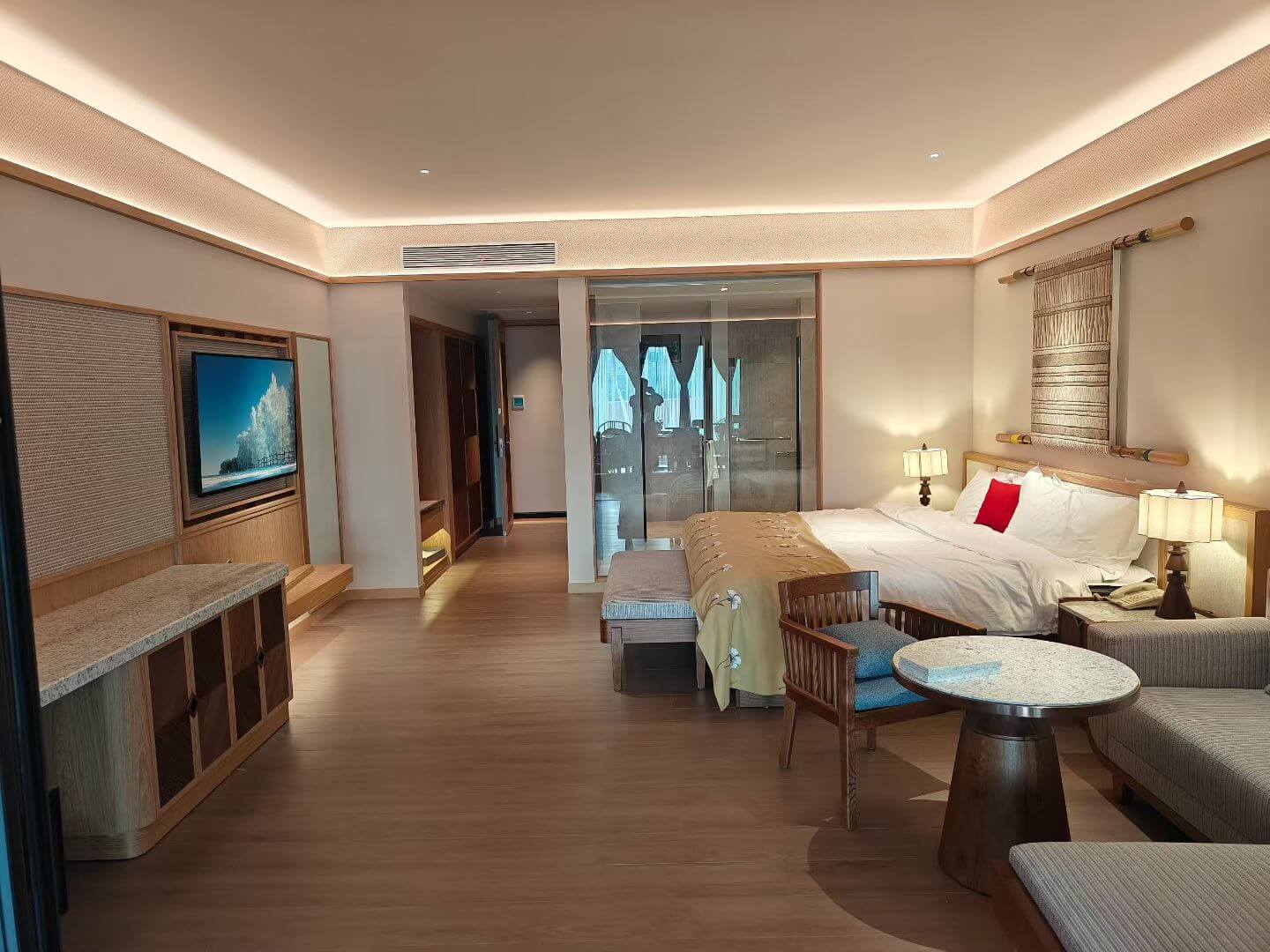

A hotel mockup room is one of the most useful quality control steps in a…
Hotel Furniture Lead Time Guide for Better Project Control
Hotel furniture lead time is one of the biggest pressure points in hospitality projects. Developers want rooms ready for opening, designers want every detail protected, procurement teams want reliable delivery dates, and manufacturers need enough time to produce correctly. When approvals are delayed or scope changes continue too late, these priorities often start to conflict.
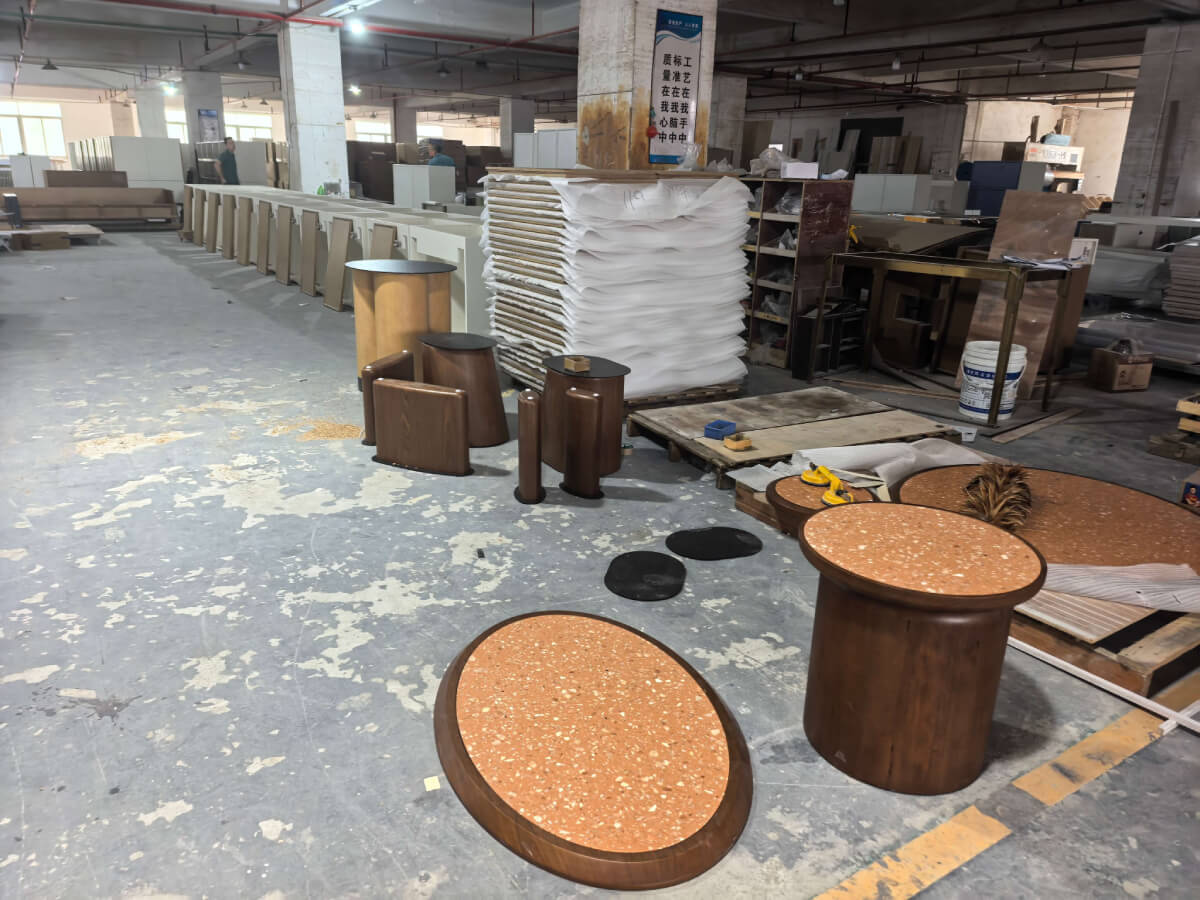
The good news is that scheduling can often be improved without pushing the factory into unrealistic acceleration. In many projects, timeline problems come more from process gaps than from production speed. With clearer planning, approvals, and coordination, the overall program usually becomes much easier to control.
Why Hotel Furniture Lead Time Depends on Early Scope Clarity
One of the simplest ways to reduce schedule pressure is to clarify the scope early. BOQ changes, unresolved material decisions, late room revisions, and incomplete item counts all slow down the process. Even small adjustments can become costly once shop drawings, sampling, or material purchasing are already underway.
This does not mean every detail must be frozen too early. It means the team should identify which decisions directly affect production and settle those first. Core dimensions, material families, hardware direction, item quantities, and room type logic are usually the priority items.
Approvals Can Shape the Real Schedule
In many hospitality projects, the biggest delay does not happen inside the factory. It happens during approvals. Shop drawings, finish boards, mockups, sample revisions, and response times can easily push the schedule beyond the original plan if the approval process is not clearly managed.
That is why production timing should always be discussed together with approval responsibility. Who reviews the drawings? Who confirms materials? How many revision rounds are expected? Clear answers to these questions help the supplier plan production more accurately and help the project team avoid avoidable delays.
Standardization Can Shorten Production Timing
Customization is valuable, but unnecessary variation often slows a project. When every room type uses a different internal structure, different hardware logic, or different construction detail, the production system becomes more complicated. Smart standardization can improve efficiency without making the design feel generic.
For example, internal cabinet construction can be standardized while external finishes or handles are customized for visual identity. This approach often shortens the schedule while still preserving the character of the project.
Site Readiness Matters as Much as Production Speed
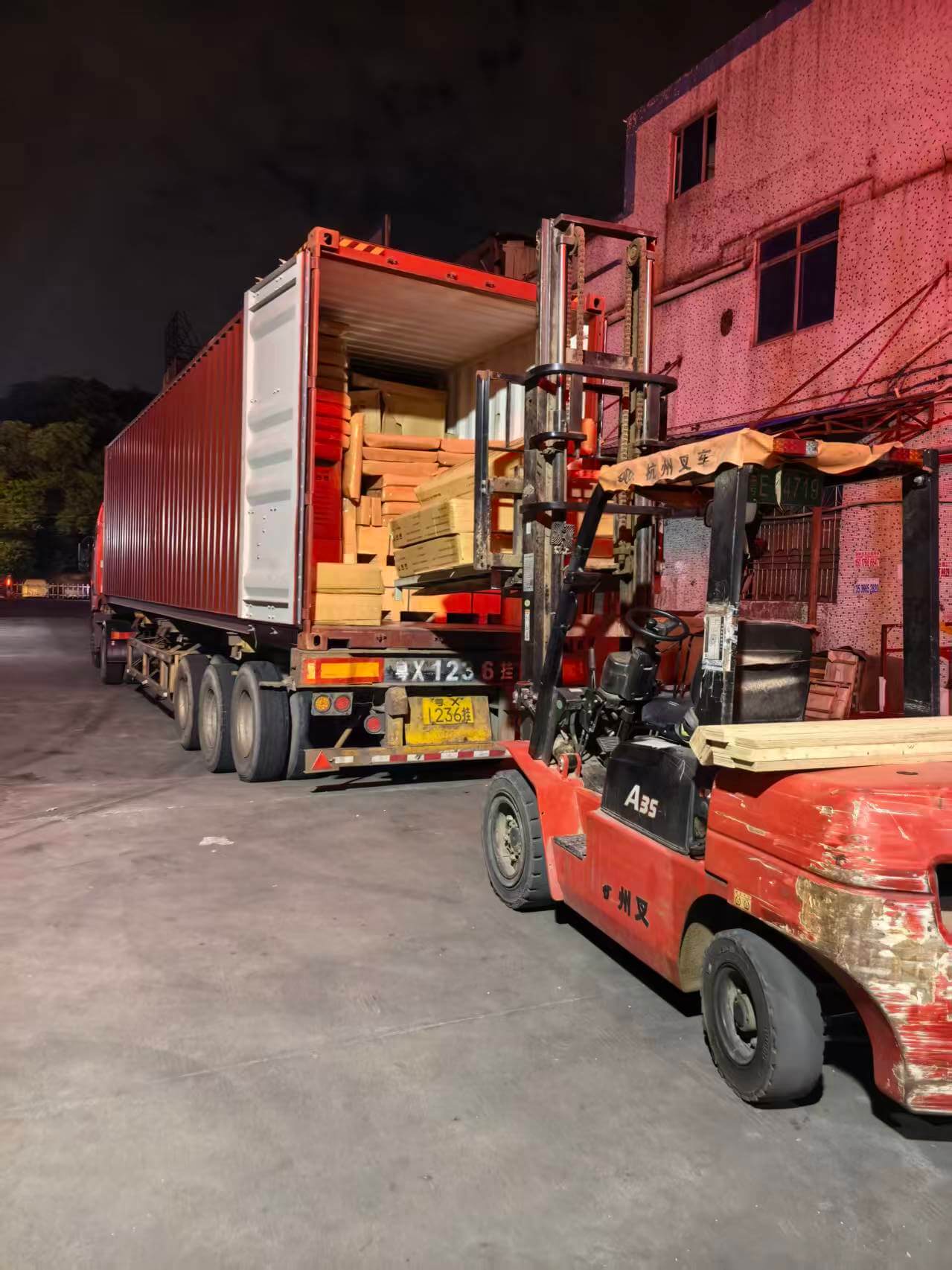
Even if furniture is completed on time, the project can still suffer if the site is not ready to receive, store, and install it. That is why hotel furniture lead time should be reviewed together with site readiness, installation sequence, and delivery batches. Factory completion alone is not the full schedule.
The most effective project teams align production with actual site conditions. This reduces double handling, minimizes damage risk, and prevents unnecessary pressure close to opening day.
Faster Is Not Always Better
When a project starts to feel late, teams sometimes push for unrealistic acceleration. That can create rushed approvals, finishing inconsistencies, packing mistakes, or installation problems later. In hospitality projects, shortcuts in one stage often create larger delays in the next stage.
A better approach is disciplined preparation. Clear scope, timely approvals, rationalized customization, and transparent production planning usually improve hotel furniture lead time without creating unnecessary risk. If you are planning a hotel opening or renovation, it helps to review the production schedule early with a supplier that understands project sequencing. You can learn more through hotel furniture manufacturing process. You can also review related hotel projects here. For broader construction schedule commentary, see Construction Dive.
What affects furniture production timing in hotel projects the most?
The main factors are scope clarity, shop drawing approval, material confirmation, customization level, production planning, and site readiness.
How can developers reduce delays in furniture supply?
Developers can reduce delays by confirming key decisions earlier, managing approval timelines carefully, and coordinating production with real site conditions.
Does more customization increase the schedule risk?
Yes, in many cases it does. More variation usually means more drawing work, more approvals, and more production complexity.
Why is site readiness important for delivery timing?
If the site is not ready for delivery and installation, completed items may be delayed, stored inefficiently, or damaged, which creates further schedule pressure.
Related Posts