
Hotel wardrobe design affects much more than storage alone. It shapes how guests organize their…
Boutique Hotel Furniture for Distinctive Guest Experience
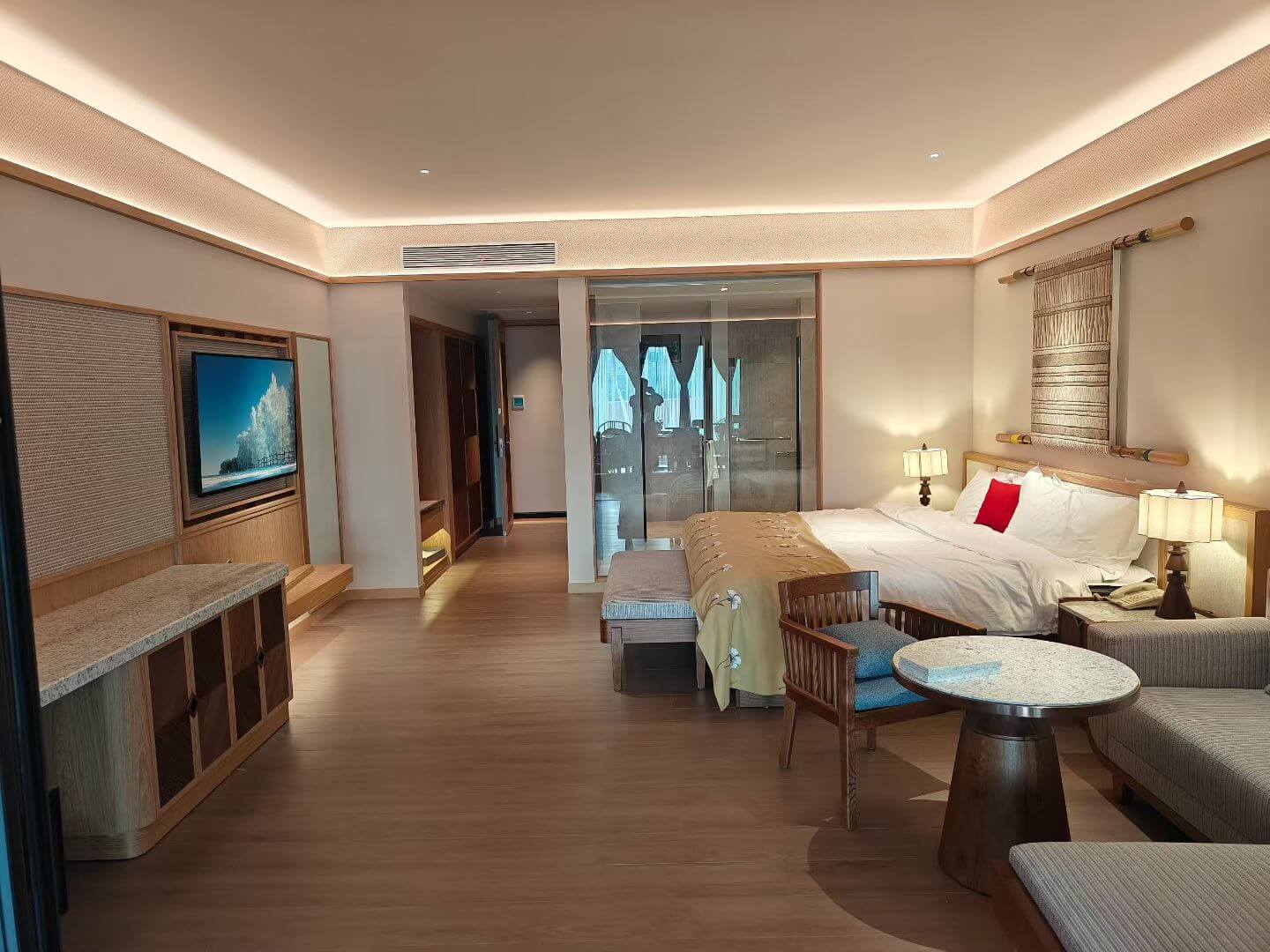
Boutique hotel furniture needs to do more than look beautiful. It helps create identity. In boutique hospitality, guests often choose a property because of its personality, atmosphere, and visual character. Furniture plays a major role in expressing that story through shape, material, texture, and detail.
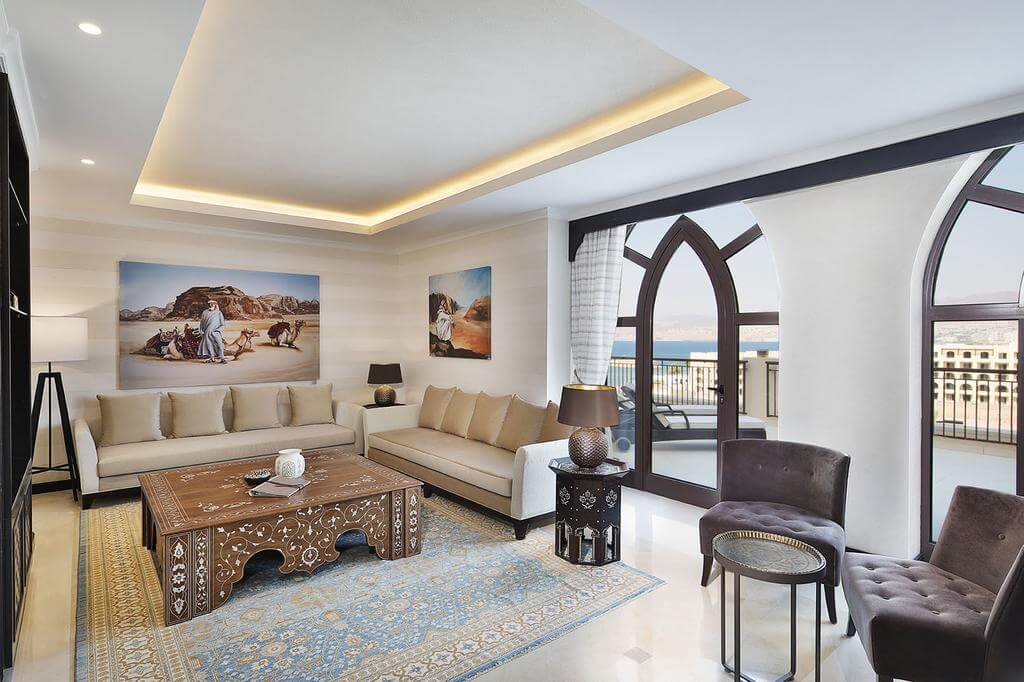
At the same time, boutique hotel furniture still needs to perform like real hospitality furniture. Guests may appreciate originality, but operators still need durability, maintenance efficiency, and long-term consistency. The best boutique interiors combine memorable design with strong practical performance.
Identity Is One of the Main Selling Points
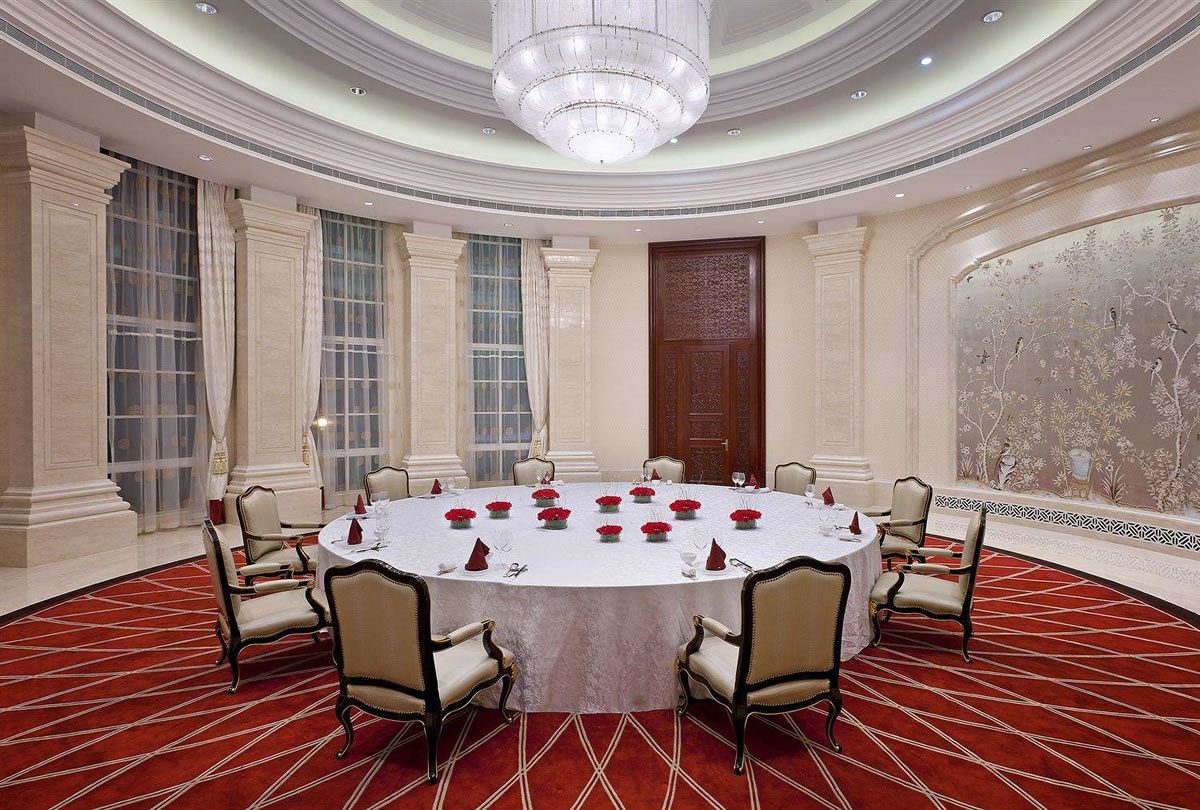
A boutique hotel often competes through atmosphere rather than scale. The furniture package helps shape that atmosphere. Some projects may rely on warm timber, soft curves, and tactile materials. Others may use richer finishes, stronger silhouettes, or statement pieces with more visual drama.
The key is not to make every piece special for its own sake. The strongest boutique hotel furniture usually works as a controlled collection. One or two expressive elements can carry the visual identity, while supporting pieces keep the room functional and balanced.
Boutique Style Should Still Feel Comfortable
Guests notice comfort quickly, even in highly designed spaces. Seating, bedside access, storage usability, work surfaces, and room movement all affect the experience. A room can look impressive in photos but still feel inconvenient if the furniture is over-styled or poorly scaled.
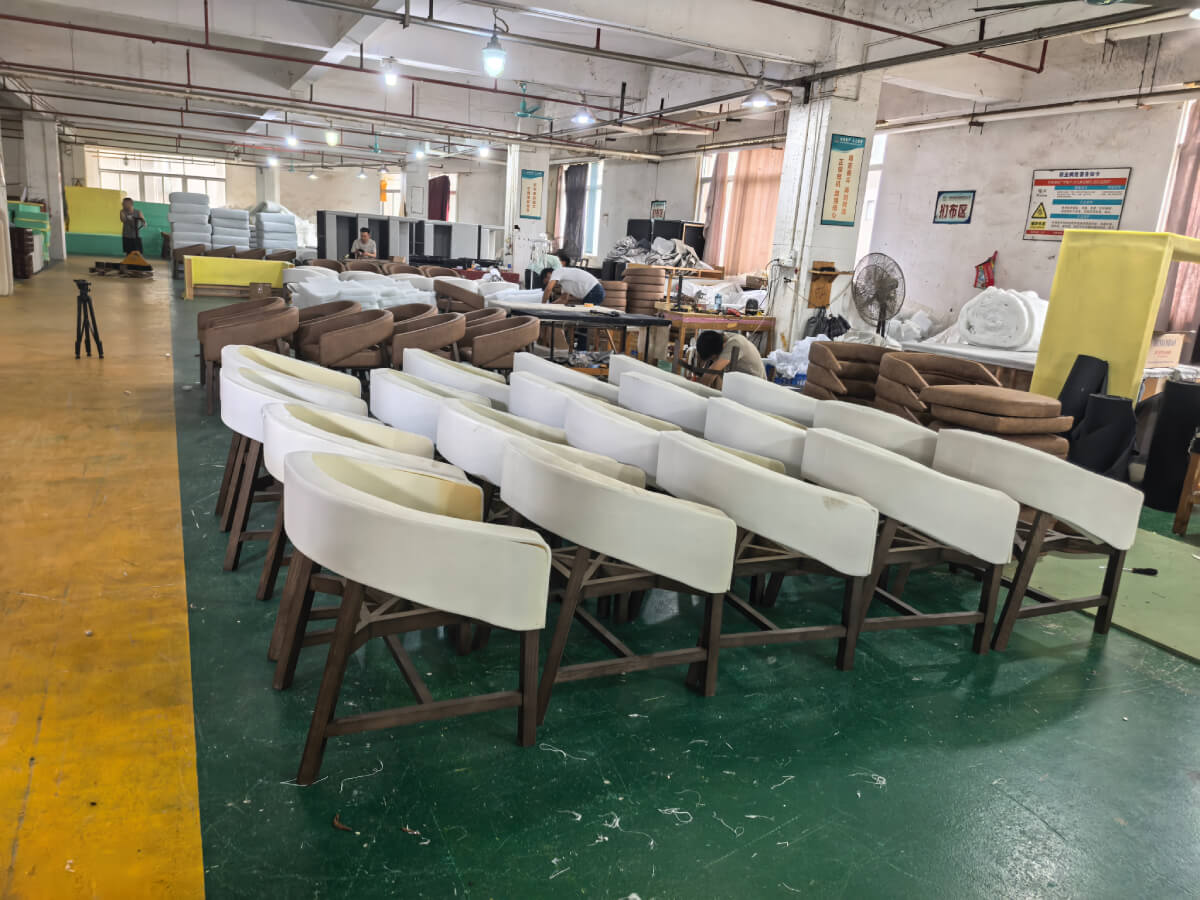
That is why boutique hotel furniture should always be tested against real hospitality use. Can the guest sit comfortably? Is the desk practical enough? Does the wardrobe open properly? Does the furniture feel stable and well-made? These questions matter just as much as appearance.
Customization Often Adds More Value in Boutique Projects
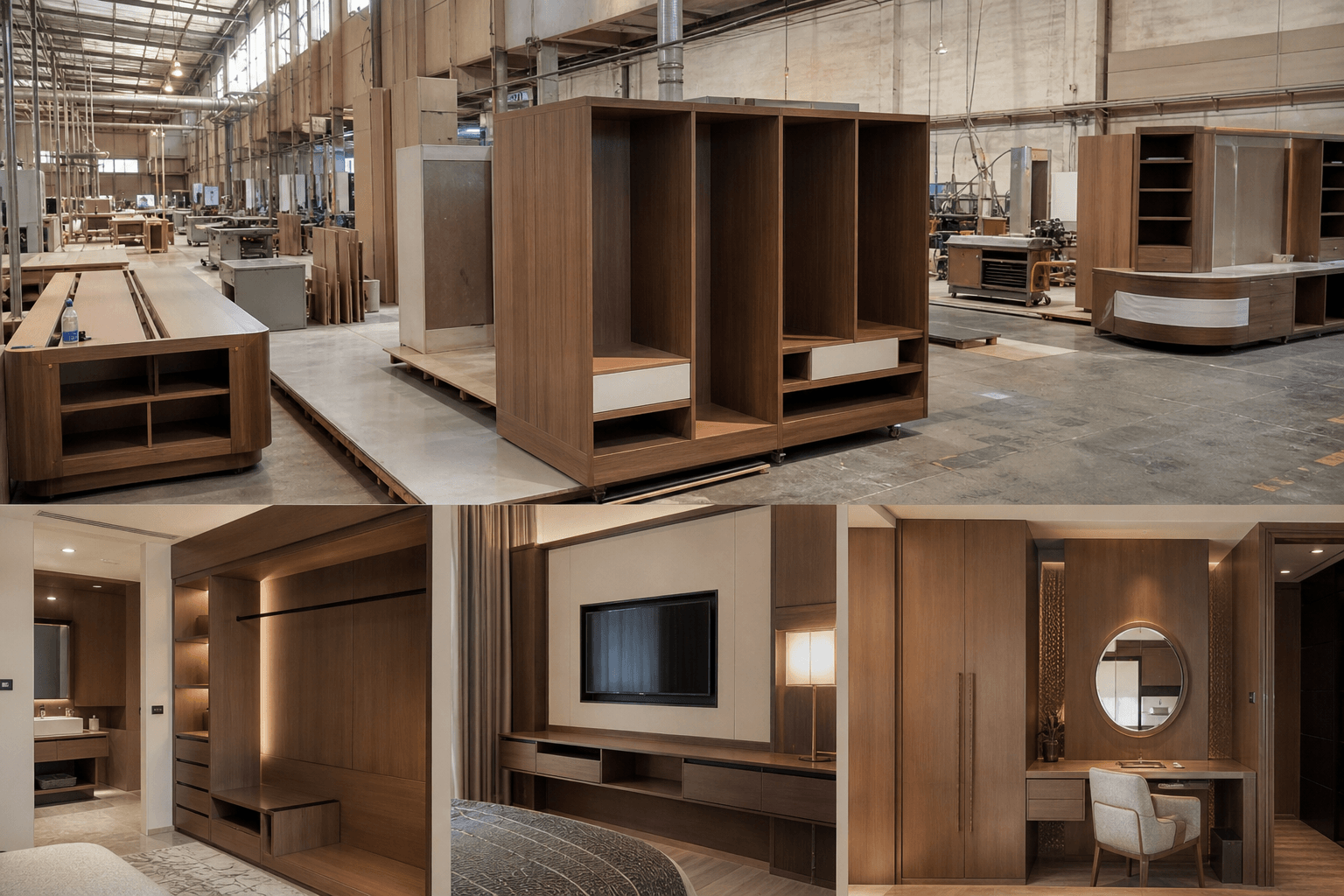
Boutique hotels often benefit from custom furniture because their design direction is more specific. Standard products may not fully match the tone of the property, while custom casegoods, seating, headboards, and public area pieces help make the brand feel more original.
However, custom furniture should still be controlled carefully. Too much variation can complicate production and maintenance. The most successful boutique interiors usually combine a unique design language with rational construction and repeatable detailing.
Visual Character Should Still Be Durable
Because boutique spaces often use more expressive materials and details, technical planning becomes even more important. Edge protection, upholstery quality, hardware reliability, finish stability, and maintenance access all influence whether the room will continue looking strong after opening.
You can explore custom hotel furniture here. You can also review completed project references here. For design inspiration in hospitality, see Dezeen.
What makes boutique hotel furniture different?
It usually places stronger emphasis on individuality, atmosphere, and design storytelling while still meeting hospitality performance needs.
Can boutique hotel furniture be customized?
Yes. Customization is common in boutique projects to reflect the property’s unique design direction.
Is boutique furniture less durable?
Not necessarily. It can be highly durable when supported by suitable materials and proper construction.
Why does furniture matter so much in boutique hotels?
Because furniture is one of the clearest ways a boutique property expresses its visual identity and guest experience.
Related Posts