
A hotel mockup room is one of the most useful quality control steps in a…
Resort Guest Room Furniture Guide for Better Hotel Design
Resort guest room furniture should create a very different feeling from a standard city hotel room. Guests do not come to a resort only to sleep. They come to relax, slow down, and enjoy the atmosphere of the property. That means the furniture package must do more than look attractive. It needs to support comfort, emotional appeal, and practical long-term use at the same time.
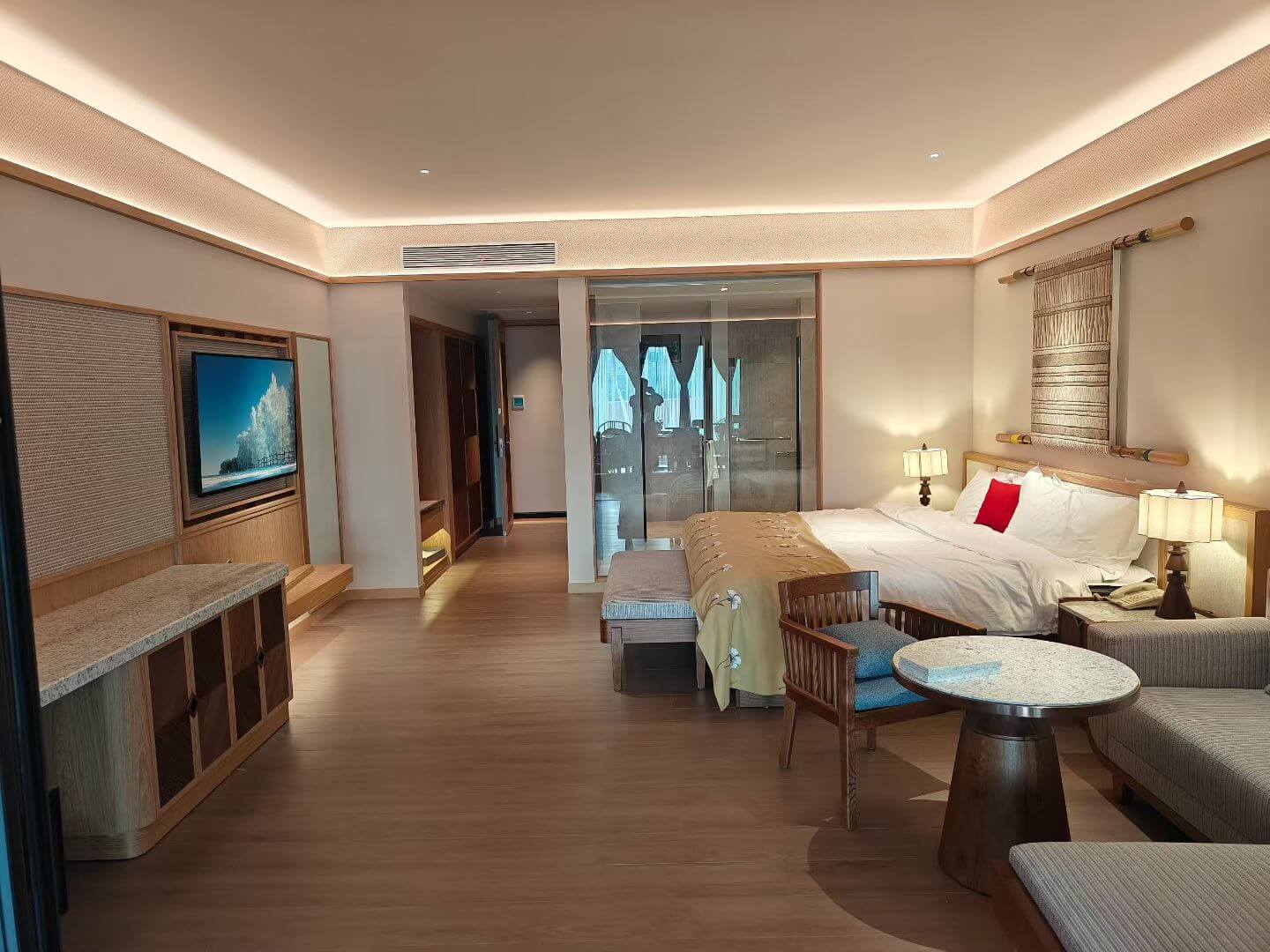
In many hospitality projects, the guest room is where the brand experience becomes personal. Public areas may create the first impression, but the room is where guests spend private time and decide whether the stay feels memorable. For that reason, resort guest room furniture should be planned carefully around mood, layout, durability, and guest behavior.
Why Resort Rooms Need a Different Furniture Approach
A resort room is usually used differently from a business hotel room. In a city property, the guest may spend limited time in the room and focus more on efficiency. In a resort, the room often becomes part of the leisure experience. Guests may rest longer, sit by the balcony, unpack more fully, or spend time enjoying the room itself.
That change in behavior affects how the furniture should be designed. Resort guest room furniture often benefits from softer forms, warmer materials, lighter visual weight, and a more relaxed spatial rhythm. Instead of making the room feel highly structured or strictly functional, the furniture should help it feel open, calm, and welcoming.
At the same time, the room still has to work efficiently. A resort property may feel relaxed to the guest, but it still runs on housekeeping schedules, maintenance routines, and occupancy targets. That is why the best resort room packages balance emotional warmth with operational practicality.
Comfort Should Be Visible and Functional
One of the biggest priorities in resort guest room furniture is comfort. Guests should feel that the room invites them to stay, not just pass through. This includes visual comfort and physical comfort. Upholstered seating, bedside proportions, desk size, luggage access, and the placement of occasional tables all influence how comfortable the room feels in use.
For example, a lounge chair in a resort room should not be treated as a decorative filler. If it is included, it should actually be comfortable enough for a guest to use. The same applies to bedside tables, benches, and balcony-adjacent pieces. Furniture should match the real pace of resort living rather than only serving as part of a styled photo.
This is also where scale matters. Oversized furniture can make a room feel heavy, while undersized pieces can make a premium room feel weak. Good resort guest room furniture should feel easy, balanced, and proportionate to the room size.
Materials Should Support the Resort Atmosphere
Material choice plays a major role in how a resort room is perceived. Warm timber finishes, textured upholstery, woven elements, stone accents, and soft matte surfaces often work well because they create a more natural and restful atmosphere. In beach, island, or tropical resort settings, lighter tones and breathable textures are often especially effective.
However, material beauty alone is not enough. Resort guest room furniture still needs to perform well in hospitality use. Veneer consistency, laminate resistance, upholstery durability, hardware quality, and moisture-related performance all matter. In some climates, especially humid or coastal areas, these technical factors become even more important.
This is where many projects succeed or fail. A room may look beautiful at opening, but if edges begin to wear quickly or surfaces do not hold up under real use, the guest impression declines. That is why resort furniture should always be specified with both design intent and maintenance reality in mind.
Layout and Flow Matter More Than Many Teams Expect
Resort guest room furniture should not be selected item by item without looking at the full room flow. The furniture package needs to work as a complete environment. Guests should be able to move naturally between the bed, wardrobe, desk or vanity, luggage zone, seating, and balcony or window area.
This is especially important in rooms where guests may spend more time than usual. A poorly placed bench, a cramped wardrobe opening, or a desk that blocks circulation can reduce the comfort of the room even if each individual piece looks acceptable.
Good planning usually starts by reviewing the room as a full-use scenario. Where will luggage go? Where will the guest sit to relax? Is there enough surface area near the bed? Does the room feel balanced when fully furnished? These questions matter just as much as finish selection.
Storage Should Feel Practical Without Looking Heavy
Storage is an area where resort rooms often need a subtle approach. Guests may stay longer than in a city hotel, which means they usually need more functional wardrobe space, luggage placement, and drawer storage. At the same time, the room should still feel open and relaxing rather than crowded with casegoods.
That is why resort guest room furniture often benefits from storage that is visually light but practically useful. Open niches, carefully proportioned wardrobes, integrated luggage benches, and balanced drawer systems can help the room feel refined while still supporting real guest needs.
A room that looks beautiful but does not store belongings well becomes inconvenient very quickly. On the other hand, a room with too much bulky storage can lose the relaxed atmosphere that resort guests expect. The strongest solutions usually sit somewhere in the middle.
Durability Still Defines Long-Term Quality
Even though resort rooms often aim for softness and warmth, they still need commercial-grade performance. Bedside tables, wardrobes, desks, vanities, and seating all face constant use. Housekeeping movement, luggage contact, humidity, cleaning chemicals, and high occupancy all affect the long-term condition of the furniture.
For that reason, resort guest room furniture should be engineered carefully. Construction quality, hardware reliability, edge protection, finish stability, and packing strategy all deserve attention. A room can only remain premium if the furniture continues to look stable and well-maintained after months and years of use.
This is also why early coordination with an experienced manufacturer matters. When a supplier understands both custom design and hotel operation, it becomes easier to prevent problems before production starts. You can browse custom hotel furniture categories here. You can also review project references here. For hospitality design inspiration, see Sleeper Magazine.
Related Posts